


-

Add: HeBei ShengShi HongBang Cellulose Technology CO.,LTD.
-

Email
13180486930@163.com -

CONTACT US
+86 13180486930

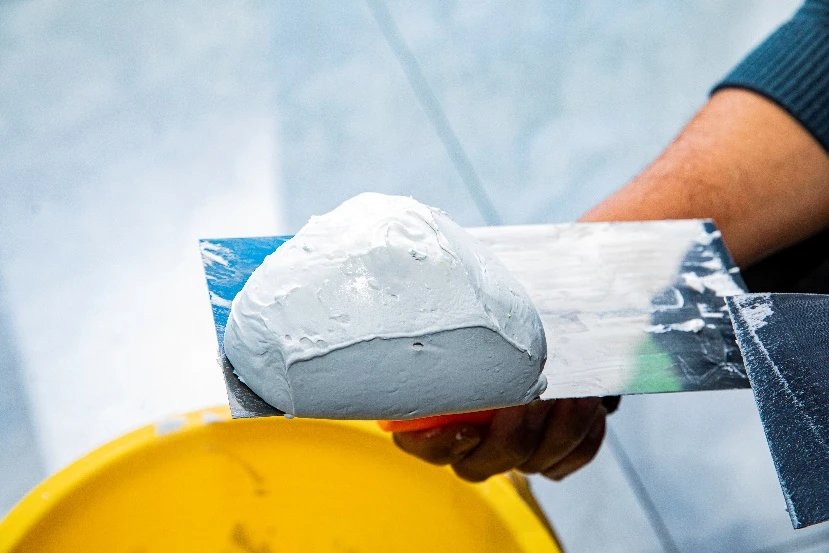

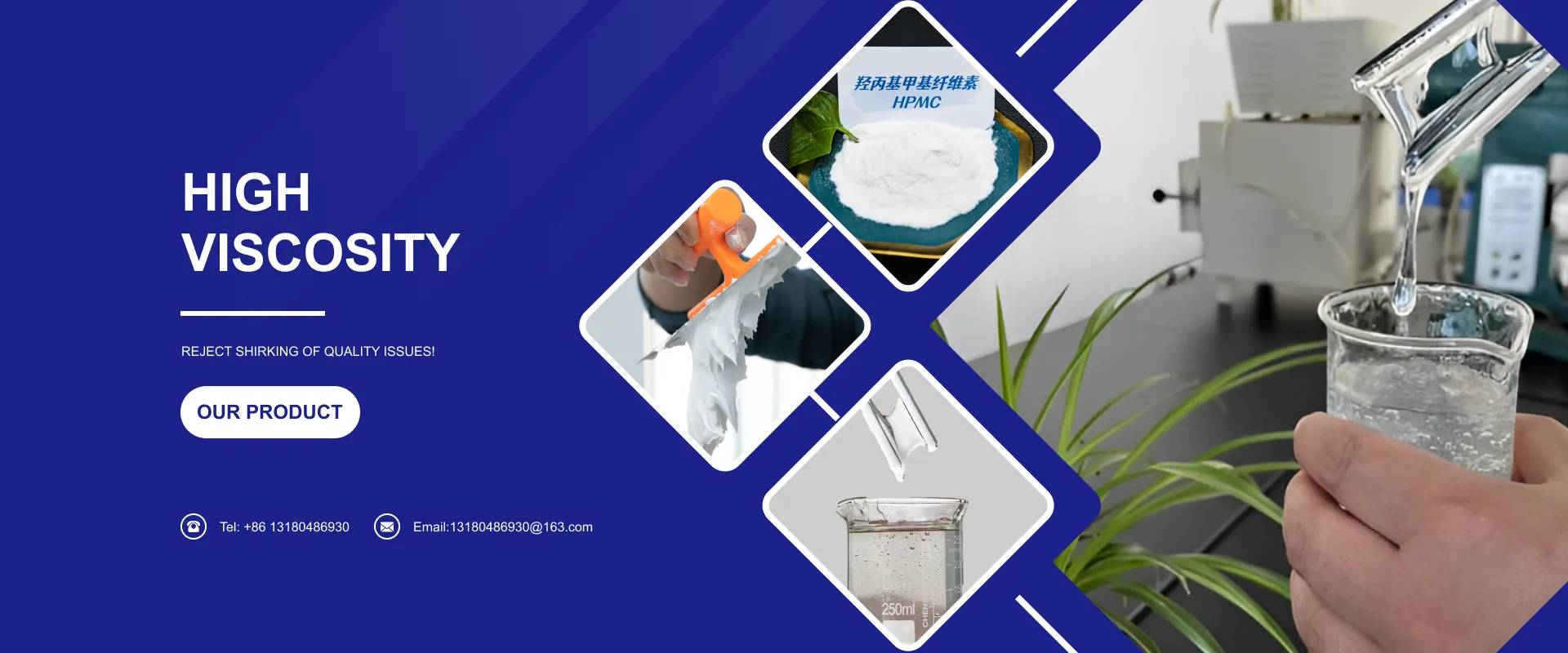
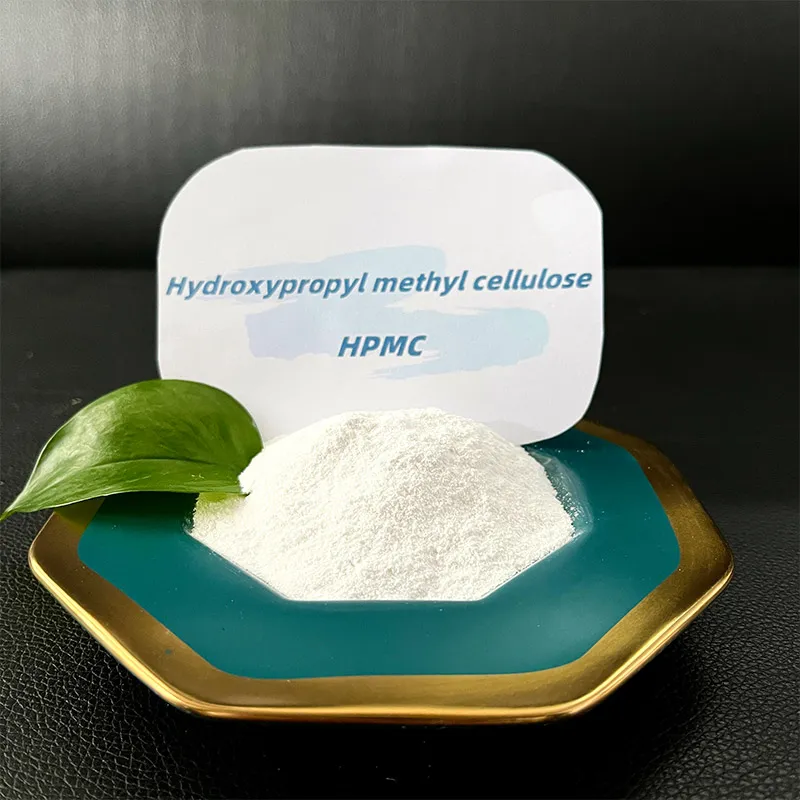



Hydroxypropyl Methylcellulose (HPMC) is a critical additive in the putty powder industry, playing a pivotal role in enhancing the product's performance and application efficiency. As construction demands evolve, the importance of premium-quality putty powder has intensified, with products like HPMC offering a competitive edge. Drawing from years of technical expertise and practical experience, I delve into the remarkable benefits and applications of HPMC in putty powder formulations. HPMC is renowned for its exceptional water retention properties, which are indispensable for quality putty powder. By ensuring prolonged moisture retention, HPMC allows for an extended open time, providing users with ample opportunity for application adjustments and refinements. This feature is particularly beneficial in diverse climatic conditions, where maintaining a consistent moisture level can be challenging yet crucial for a smooth, crack-free finish. In addition to moisture retention, HPMC significantly enhances the workability of putty powder . Its incorporation ensures ease of application, reducing drag and improving the spreadability of the compound across surfaces. This improvement in workability translates to a more uniform application, minimizing waste and ensuring a high-quality finish that professionals in the construction sector demand. Expert application is key to longevity and visual appeal in interior wall coatings, making HPMC a preferred choice for both contractors and DIY enthusiasts aiming for professional-grade results. Ensuring surface adhesion is another area where HPMC excels. It acts as a film-forming agent, enhancing the bond between the putty powder and substrate. This improved adhesion is critical in preventing detachment or flaking, common issues that compromise the durability of wall finishes. The expert formulations with HPMC provide robust adhesion, withstand environmental fluctuations, and adhere well to various substrates, making it versatile for numerous projects. hpmc for putty powder Moreover, HPMC enhances the rheological properties of putty powder, allowing for better leveling and sag resistance. A well-leveled surface is paramount for subsequent layers of paint or other finishes. The incorporation of HPMC imparts a thixotropic nature to the putty, enabling it to remain stable until shear force (such as brushing or troweling) is applied. Once the force is removed, the putty resumes its higher viscosity, preventing sagging and ensuring an even layer distribution. For professionals seeking reliability and durability in their wall preparations, HPMC in putty powder is the mark of quality. It delivers not only on immediate application benefits but also enhances the long-term durability of wall surfaces. Its impact resistance and flexibility further ensure that walls can withstand minor impacts and movements without compromising the integrity of the finish. Purchasing putty powder containing HPMC from reputable sources ensures authenticity and compliance with industry standards. Trustworthiness in the construction material supply chain is paramount, as counterfeit or inferior products can lead to substandard results. Partnering with credible suppliers who adhere to stringent quality controls is essential to leverage the full potential of HPMC-enhanced putty powder. In summary, the incorporation of HPMC into putty powder formulations is a testament to advanced technical expertise and industry requirements. Its multifaceted benefits underscore its indispensability in modern construction projects, providing solutions that enhance efficiency, aesthetics, and durability. With a focus on quality and performance, HPMC continues to stand out as a critical component in achieving superior wall preparation standards.
- 40000tons

Production
- 20+years

Experience
- 5000+㎡

Acreage

-
The HPMC USP monograph serves as a critical benchmark for hydroxypropyl methylcellulose (HPMC) in pharmaceutical and other applications, setting the standards for quality and consistency. As one delves into the application and significance of this monograph, it becomes evident that understanding these guidelines is essential for ensuring product efficacy, safety, and consistency. Hydroxypropyl methylcellulose, also known as hypromellose, is a derivative of cellulose that is widely used across various industries, predominantly in pharmaceuticals, due to its unique properties. The USP (United States Pharmacopeia) monograph for HPMC provides a detailed framework that specifies the identity, purity, concentration, and quality control tests necessary for this compound. Adhering to these specifications is paramount for companies to maintain compliance and earn consumer trust. One of the fundamental roles of the HPMC USP monograph is its utility in pharmaceutical formulations. HPMC is extensively utilized as a controlled release agent, film former, and binder, making its purity and performance integral to the drug delivery mechanism. Companies following the monograph's guidelines can assure practitioners and patients of the drug's integrity and performance reliability. The monograph specifies parameters such as viscosity, which can affect drug release rates and bioavailability, thereby influencing therapeutic outcomes. From a professional's perspective in the pharmaceutical industry, the expertise in utilizing HPMC is not only a matter of technical know-how but also of adhering to the stringent regulatory environment. The monograph provides a trusted reference that can guide formulation scientists in creating safe and effective products. For instance, in creating enteric coatings, understanding the solubility changes and interactions stipulated in the monograph can lead to superior design and functionality of oral dosage forms. hpmc usp monograph Experience with HPMC underscores the importance of comprehensive analytical testing as outlined by the USP. Real-world application and case studies demonstrate the necessity of rigorous testing for parameters such as pH levels, consistency under various environmental conditions, and absence of impurities to avoid adverse reactions or diminished efficacy. Laboratories implementing these controls inevitably foster a culture of safety and precision, elevating their credibility and authority in the market. The authoritativeness established by the USP in its monograph is undeniable . The monograph not only embodies a consolidated repository of scientific research and consensus but also reflects a regulatory standard acknowledged internationally. Pharmaceutical companies and research institutions rely on the precision and reliability that the USP monographs guarantee, often using these standards as a foundation for internal quality systems. Trustworthiness is a highly valued attribute, particularly in sectors like pharmaceuticals where HPMC finds extensive applications. Adherence to the USP monograph ensures that products containing HPMC meet the legal and quality benchmarks required to gain trust from stakeholders, including regulatory bodies, consumers, and healthcare practitioners. This adherence is a testament to a company’s commitment to quality, safety, and consumer protection. In conclusion, the HPMC USP monograph is not just a regulatory requirement but a crucial part of product development and assurance in industries reliant on this versatile polymer. By ensuring adherence to the specifications mentioned therein, companies can deliver reliable, safe, and effective products, thereby gaining a competitive edge and fostering trust across global markets. For any entity looking to leverage HPMC in their products, familiarity with the USP monograph is not merely advisable but essential for sustained success and credibility in the industry.
-

Navigating the world of chemicals , one encounters numerous compounds essential for various industries. Among them, Hydroxypropyl Methylcellulose (HPMC) stands out for its diverse applications and unique properties. This chemical compound has gained recognition for its indispensable role in industries ranging from construction to pharmaceuticals, making it a staple for product formulation experts. Hydroxypropyl Methylcellulose is a non-ionic cellulose ether derivative produced through the modification of cellulose. This modification provides HPMC with a remarkable set of physical properties that make it ideal for multiple applications. These properties include thickening, stabilizing, emulsifying, and forming films, which contribute significantly to improving product performance and quality. In the construction industry, HPMC is revered for its contributions to the formulation of high-quality cement and gypsum-based products. Its water retention capabilities ensure that mortar and plasters remain workable for longer periods, which is crucial in achieving a smooth and durable finish. This characteristic also prevents the premature drying and cracking of building materials, ensuring structural integrity and longevity. The expertise needed to harness the full potential of HPMC in construction relies heavily on understanding its interaction with other additives, which leads to formulas that enhance workability and set times tailored for specific environmental conditions. In the pharmaceutical sector, HPMC is celebrated for its safety and functionality in drug formulations. Its use as a controlled-release agent in tablet formulations ensures that medications are delivered at precise rates, enhancing therapeutic efficacy. The non-toxic and hypoallergenic nature of HPMC makes it an ideal choice for oral and topical pharmaceutical applications. Researchers and pharmaceutical experts trust HPMC for its biodegradability and ability to form gels at varying temperatures, which are essential in designing sustained and targeted drug delivery systems. hpmc chemical The food industry also benefits from HPMC's versatility. It acts as an emulsifier, thickener, and stabilizer in a variety of products, including sauces and dairy alternatives. These functionalities help in achieving the desired texture and consistency, which can greatly affect consumer satisfaction. As consumer demands grow for plant-based and clean-label ingredients, having authoritative knowledge about how HPMC can replace animal-derived thickeners highlights its critical role in food technology advancements. Trust in HPMC’s capabilities is built on years of scientific research and industrial application. Its consistent performance and adaptability in different environments demonstrate its reliability, secured by numerous safety studies and certifications. Manufacturers and product developers looking to leverage HPMC's properties benefit from collaborating with suppliers who prioritize quality and consistency, guaranteeing a dependable supply chain. Professionals seeking to integrate HPMC into their product lines must exhibit not only a solid understanding of its chemical and physical properties but also the foresight in application design that meets industry-specific standards. As demand for better, more sustainable solutions grows, Hydroxypropyl Methylcellulose stands as a testament to chemical engineering excellence — a reliable and versatile solution in an ever-evolving marketplace.
advantages
-

200000 Viscosities
Excellent product
We can produce pure products up to 200,000 viscosities
-

40000 tons
High yield
We don’t stop production all year round, and the annual output can reach 40,000 tons
-

24 hours
Quality service
We provide 24-hours online reception service, welcome to consult at any time
———— Inquiry Form
Schedule A services
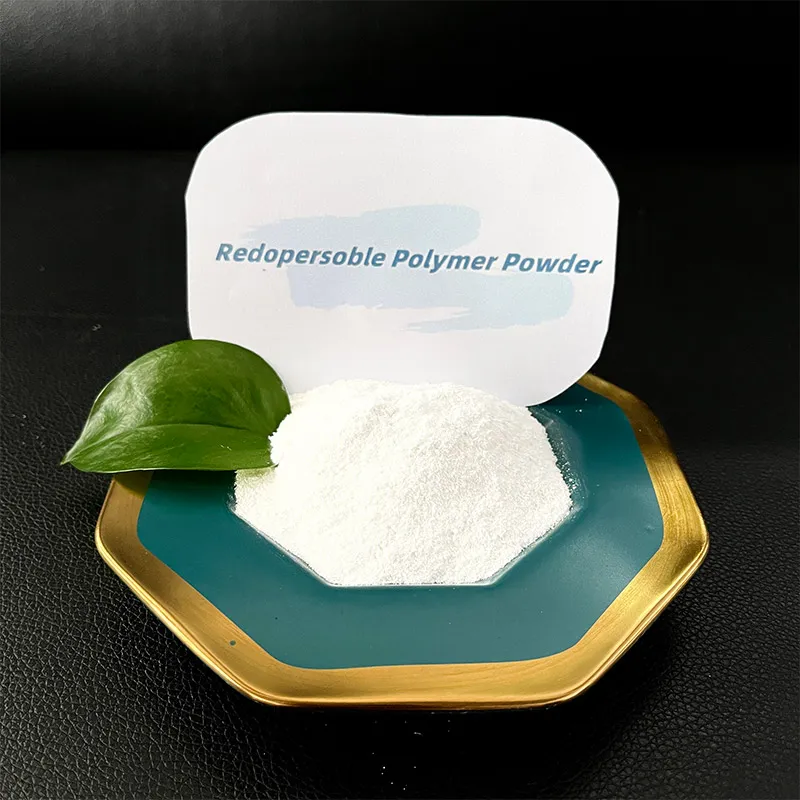
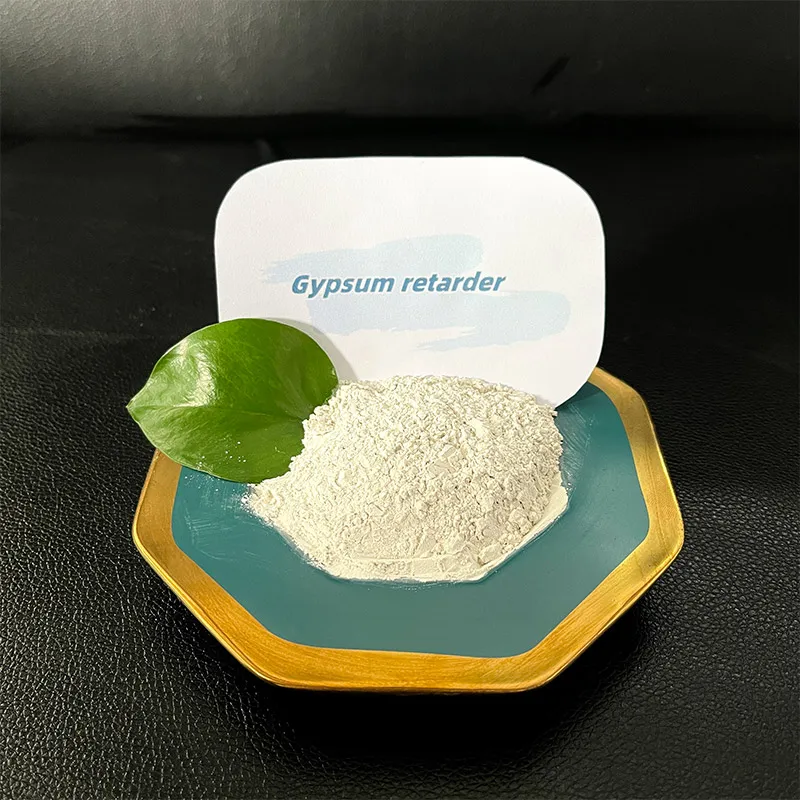
-
 polypropylene_fiber_carpet
Oct . 25, 2025
In today’s industrial landscape, sustainable material solutions drive innovation. Micronized rubber -
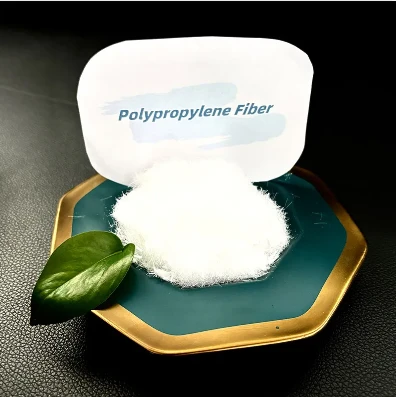 hpmc_full_form_in_pharmacy
Oct . 25, 2025
Raw Materials for Synthetic Fibers An Overview Synthetic fibers have become an integral part of our -
 quimica_de_la_madera_y_la_celulosa
Oct . 25, 2025
Monofilament polypropylene fiber, a remarkable advancement in the field of construction materials, s


